
Westbrook Lane Primary School
nurtures confident children with caring hearts and curious minds
Art Curriculum
Intention
A well planned and effectively implemented curriculum begins with a sound and secure knowledge of the National Curriculum purpose and aims for the subject.
National Curriculum Purpose for Art and Design
Art, craft and design embody some of the highest forms of human creativity. A high-quality art and design education should engage, inspire and challenge pupils, equipping them with the knowledge and skills to experiment, invent and create their own works of art, craft and design. As pupils progress, they should be able to think critically and develop a more rigorous understanding of art and design. They should also know how art and design both reflect and shape our history, and contribute to the culture, creativity and wealth of our nation.
National Curriculum Aims
Ensure that all children can:
· Produce creative work, explore their ideas and record their experiences
· Become proficient in drawing, painting, sculpture and other art, craft and design techniques
· Evaluate and analyse creative works using the language of art, craft and design
· Know about great artists, craft makers and designers, and understand the historical and cultural development of their art forms.
At Westbrook, our curriculum follows the statutory guidance and is designed to link with other subjects taught across the curriculum National Curriculum as well as provide the full National Curriculum entitlement to children. Art is holistic – when a child has a rich art education they don’t just progress technical skills or contextual understanding, they also develop personal understanding, traits and behaviours which can benefit both themselves and society. When we teach art, we are helping children to grow in all areas developing themselves as human beings, both individually and as part of a wider community.
A feature of our curriculum design is the use of the AccessArt Split curriculum www.accessart.org.uk .
The curriculum for Art has three strands:
Practical Knowledge – Art
Practical knowledge includes all the things that pupils need to know in order to produce art. It includes:
· Formal elements (colour, form, line, pattern, shape, texture, tone).
· Techniques (drawing, painting, printmaking, 3D sculpture, textiles and photography/digital art)
· Use of materials (including clay, paint, pencils, charcoal, fabric).
These have each been sequenced so that pupils are explicitly taught aspects in small steps, allowing pupils to gradually build their understanding and mastery of practical knowledge.
Theoretical Knowledge (Substantive) - Art
Theoretical knowledge includes the history of art. A range of artists have been selected to not only illustrate quality examples of the practical knowledge outline above, but to build pupils’ knowledge of the diversity of artists (their backgrounds, inspiration, and approaches). Children will also examine how artists have inspired each other, and how artists are connected within the paradigms of Traditional, Modern and Contemporary art.
Disciplinary Knowledge
Disciplinary knowledge asks the questions that are at the heart of the subject:
· What is art? Pupils learn about the diversity of artistic outcomes, the purpose and the meaning of art, and how it has been part of much of human history.
· What do artists do? Pupils learn about how artists are influenced by their own contexts and worldviews, and present this worldview through their art; they can choose to accurately represent the world around them, choose to express themselves and/or challenge others’ worldviews through their art
· What inspires artists? Pupils learn about the range of ways that artists – and that pupils as artists – can be inspired.
Implementation
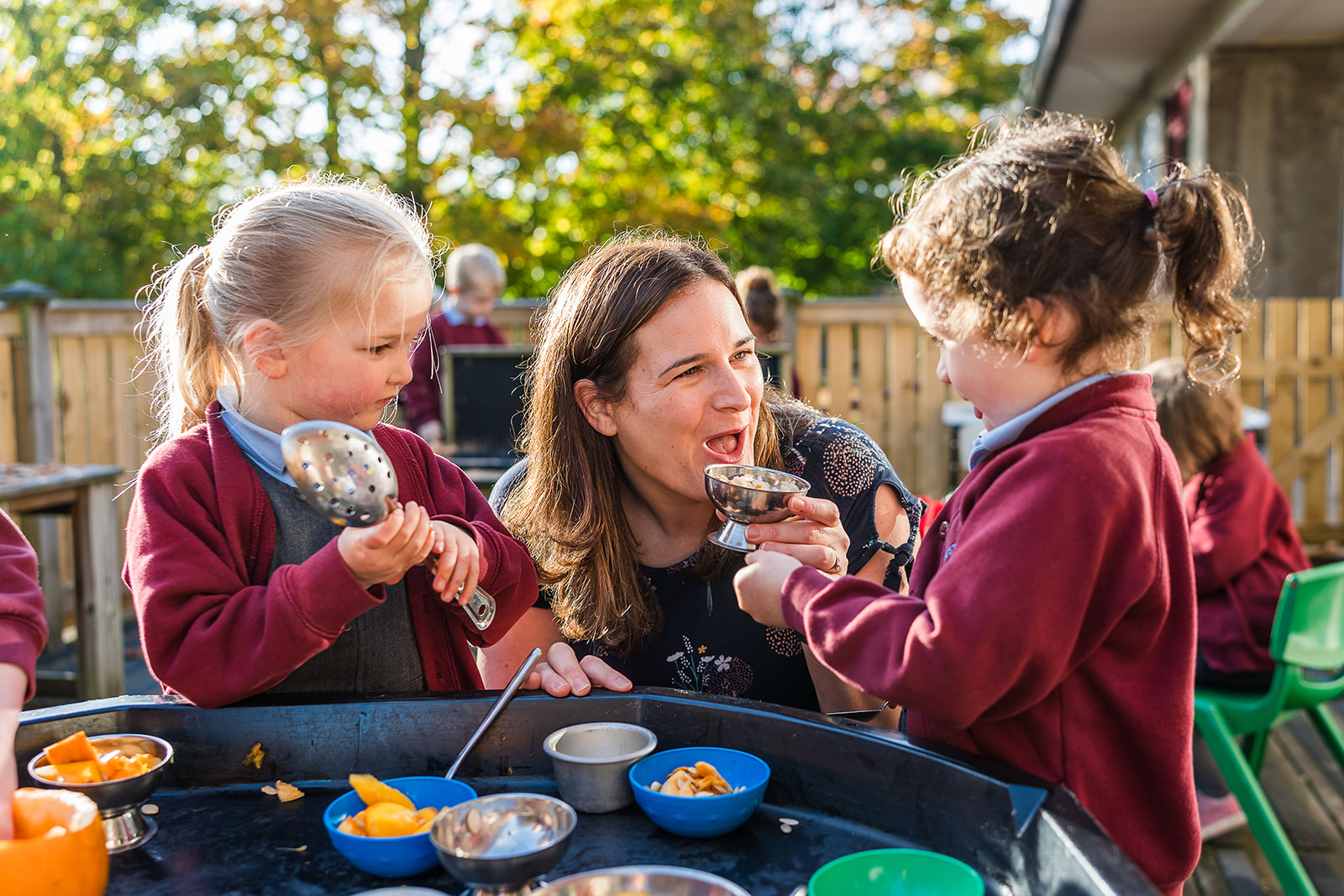
Quality first curriculum implementation in Art and Design supports children in becoming secure, and fluent in the identified agreed core knowledge and skills in Art and Design. At Westbrook, the journey to becoming passionate towards Art and Design begins in the Early Years. Our youngest children learn about Art and Design within the EYFS area of learning known as ‘Expressive Arts and Design’ and ‘Physical Development.’. These will be led by the children’s interest and the ‘here and how’ gained from the observation, assessment and planning cycle. An example of how we inspire a love for Art and Design in EYFS includes throughout the topic ‘Me and My World’. During this topic, the children in EYFS learn about events such as Bonfire Night, Harvest Festival and Diwali and create pieces of artwork whilst using their imaginations to consider patterns and textures to enhance these creations.
By the time children reach the end of Year Six they will be secure in their artistic and creative abilities and will be working in line with age related national expectations. They will also have a rich and deep knowledge of local, national and international artists and architects. Furthermore, they will be able to use their artistic thinking skills such as exploring, considering, reflecting and evaluating to have a positive impact on their own artistic masterpieces.
For some children with SEND, particularly those with high needs, access to Art and Design is considered along with ensuring they have access to their personalised or adjusted curriculum. For example, enabling access to specialist programmes such as those advised by speech and language therapists, occupational therapy programmes or the SEN Hub. These programmes are timetabled to minimise the impact on the child’s access to a broad and rich curriculum and do not impact on access to educational visits relating to Art and Design. Typically, these programmes are identified in EHCPs and ILPs and curriculum adaptations are agreed with parents.
For children with SEND, access to the learning in Art and Design during lessons may need to be differentiated and scaffolded, whilst the planned, progressive curriculum content is retained. Children are supported to succeed through:
- Breaking down tasks into smaller chunks to achieve and prioritising understanding over task completion
- Giving sufficient time to process instructions, or adapted verbal or written instructions
- Wherever appropriate or possible, information is supported by pictorial or concrete cues. E.g. Art- real flowers that can be touched and seen are drawn.
- Scaffolded questions from adults and orally rehearsing thoughts with an adult
- Where appropriate or necessary, pre-teaching core vocabulary or concepts
- Resources that support reduced cognitive load. E.g. knowledge organisers which contain the key vocabulary and knowledge that the children can apply to their language when they are discussing and evaluating their masterpieces.
For children with very high needs, they may require additional resources such as social stories to learn challenging concepts or “rules” in line with their vulnerabilities in Art and Design. They are supported with additional teaching assistant time that is proportioned to enable children to succeed in this subject whilst promoting independence.
Higher attainers in this subject are challenged to ensure they become fluent with the core key concepts through additional questioning and prompts (and tasks where appropriate) which helps extend their verbal reasoning skills as well as supporting them to engage in creating, evaluating, and analysing, delving deeper into the subject content.
Impact
Monitoring & Assessing Progress in Art and Design. By progress, we think about progression as “growth”. The experience, skills and knowledge expand and they are at the centre of their own learning. In art, structures such as spirals and concentric circles that grow, where knowledge and skills are built outwards rather than linear. Continual revisiting of skills and knowledge in an organic and holistic manner.
Assessing children’s progress is vital in order to establish their acquisition of knowledge and skills is building confidence and fluency in all subjects. At Westbrook learning always starts with the children’s prior knowledge and any misconceptions they may have. Class teachers decide upon the most appropriate age-related way of obtaining the children’s prior knowledge. Misconceptions that arise throughout the unit are identified and addressed appropriately by the teacher.
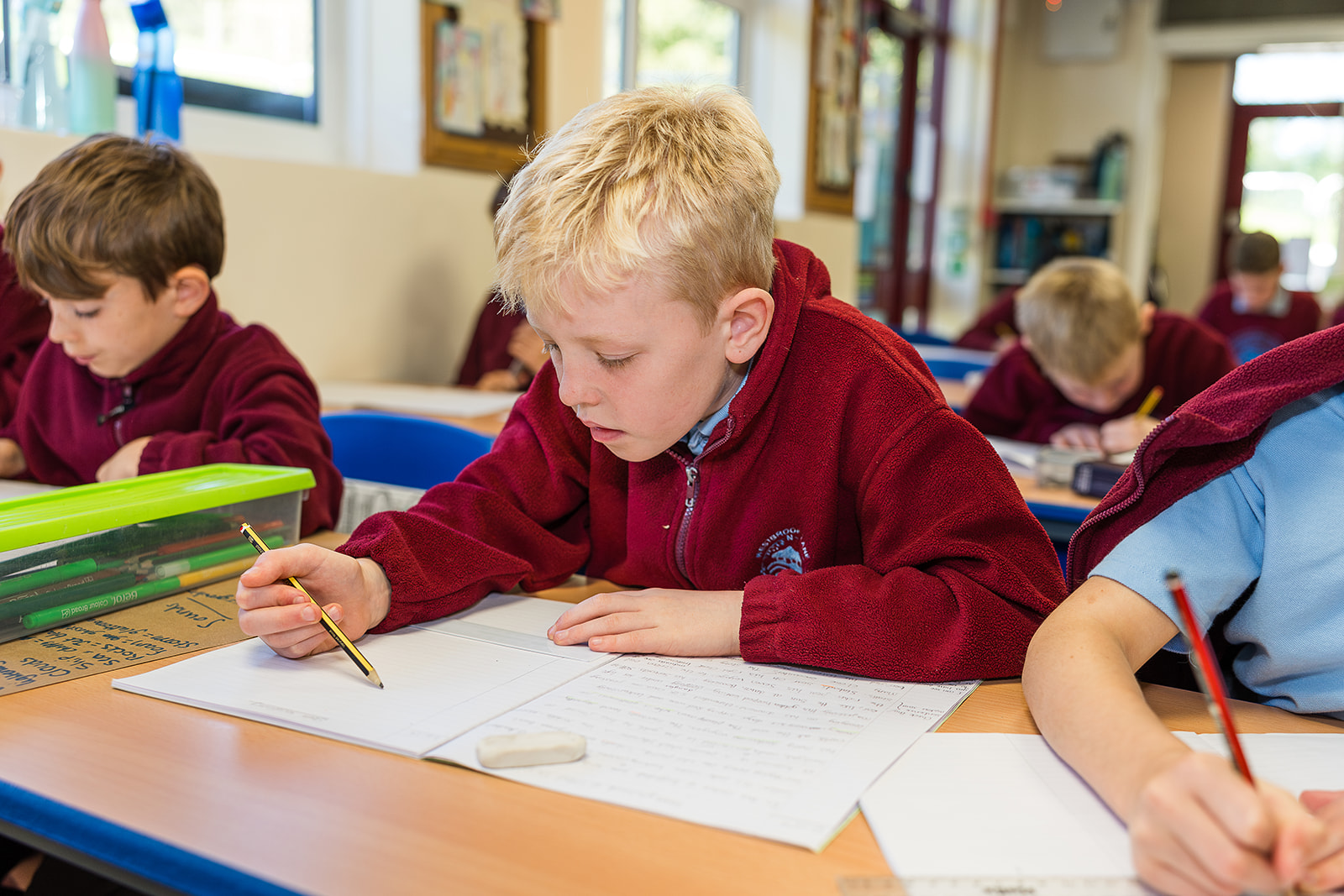
Teachers track progress through teacher judgement, supplemented by frequent low stakes knowledge recalls (frequently in quiz format), the use of children’s written work to see if they have used the words for formal elements of art correctly (practical knowledge). Teachers also use formative assessment of pupils’ knowledge when re-showing images of artworks previously studied in the curriculum, to check whether pupils remember the artists (theoretical knowledge). In most subjects we are developing, knowledge organisers summarise key vocabulary (with agreed definitions), facts, and concepts. These clarify what has to be taught and are used as the basis of quizzes so that teachers can check the knowledge has been embedded.
Systematic planning of opportunities to learn and practice the knowledge and skills of each Key Stage is built into each subject planning overview. A blocked approach to curriculum delivery including systematic structured opportunities for recall is currently being developed.


